The Science of Motivation: How to Stay Driven

Motivation is not a fixed trait some people have more of. It runs on a handful of well-studied mechanisms, and once you see them, staying driven becomes less about willpower and more about setting up the right conditions.
Two kinds of motivation
Psychologists Edward Deci and Richard Ryan, in their research on self-determination theory, distinguish between intrinsic motivation, driven by genuine interest or satisfaction, and extrinsic motivation, driven by external rewards like money or approval. Extrinsic motivation gets you started. Intrinsic motivation is what keeps you going once the novelty of the reward wears off.
Why dopamine is not what people think
Dopamine is often described as a reward chemical, but the research points somewhere more specific: dopamine spikes mostly during anticipation of a reward, not after receiving it. That is why planning a trip can feel better than the trip itself, and why setting a visible next milestone keeps you moving better than promising yourself a reward far in the future.
Practical ways to use this
- Break large goals into milestones you will reach within days, not months, to keep the anticipation mechanism active.
- Track progress somewhere visible. Seeing movement triggers the same anticipation response as the goal itself.
- Pair a task with something you find genuinely interesting where you can, since intrinsic motivation outlasts external rewards.
- Reduce friction at the start of a task. Motivation often follows action rather than preceding it, so the hardest part is usually the first two minutes.
Where hypnosis fits in
A lot of what looks like low motivation is fear wearing a disguise: fear of doing it badly, fear of what happens if you succeed, fear of the effort not paying off. Hypnosis will not manufacture motivation out of nothing, but it can quiet the fear underneath a specific stuck point, which is often enough to let existing motivation do its job.
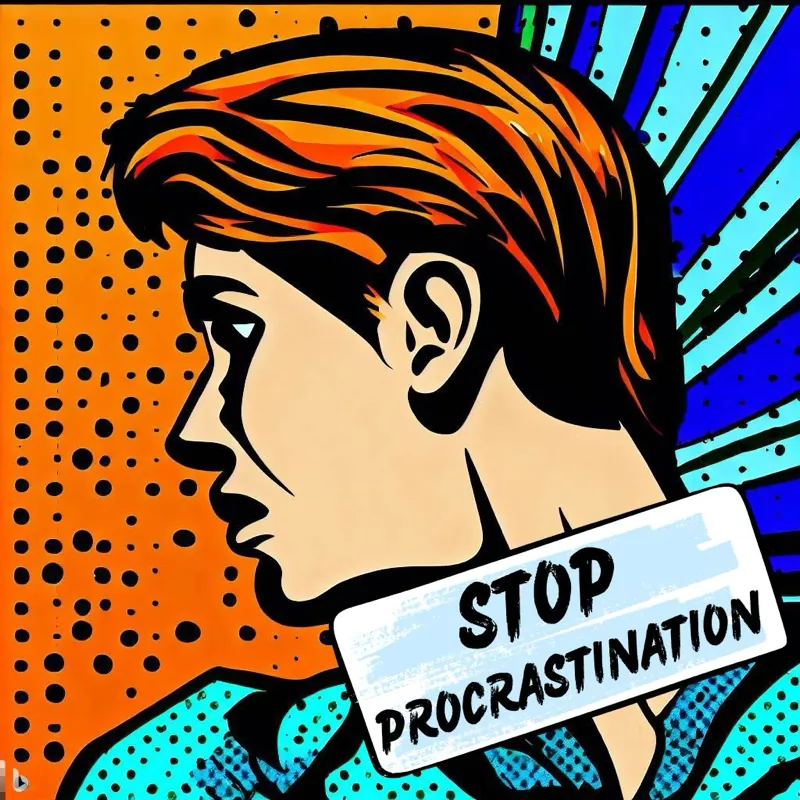
If procrastination is the actual pattern behind the lack of drive, how to stop procrastinating covers that mechanism directly.